
By Fanuel Chinowaita
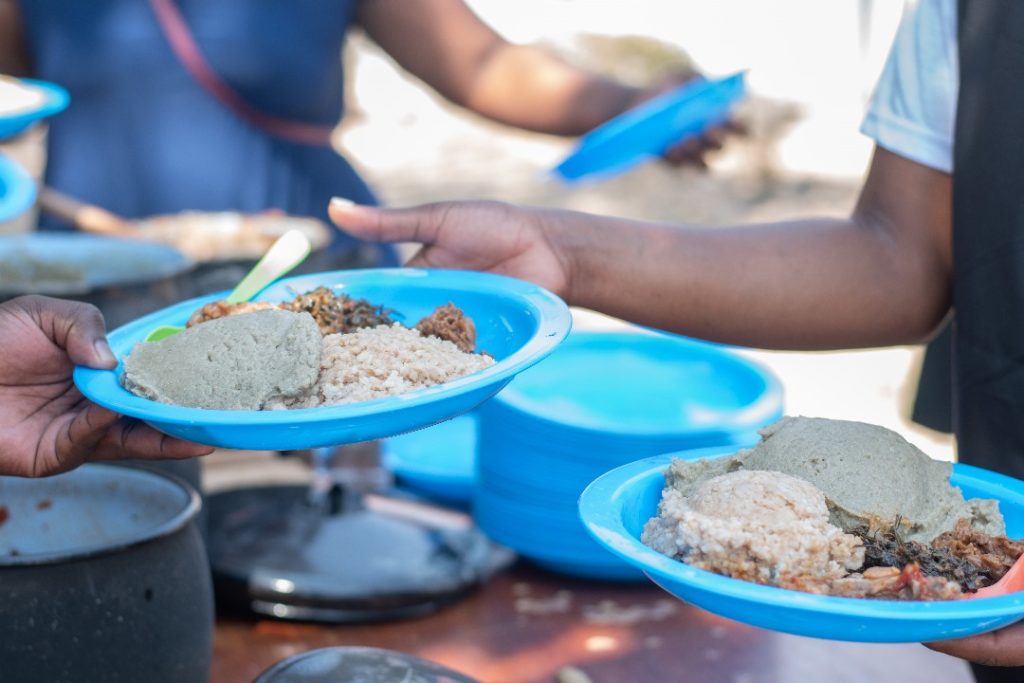
MUTARE, 6 September 2025– Young people have been urged to embrace traditional foods for better health and cultural preservation during a cooking program held yesterday in Mutare.
The program was Organised by Urban Futures Mutare Consortium under the Urban Futures Project supported by Hivos
Speaking during the program, cooking instructor Phinola Kamutanhu encouraged youths to consume traditional foods, citing their rich nutritional and health benefits.
“Traditional foods are healthy and nutritious. Young people must return to these diets to live longer and stronger lives,” she said.
Participants were taught how to prepare meals such as sadza re mhunga yakakangwa (roasted finger millet sadza), baobab porridge, pumpkin seeds, mahewu, and mufushwa we cabbage with peanut butter.
These foods were highlighted for their nutritional value, including high levels of fiber, calcium, iron, zinc, and protein.
Experts also stressed that traditional grains such as finger millet and indigenous fruits like baobab play an important role in preventing lifestyle diseases.
A representative from the Ministry of Youth Empowerment, Development and Vocational Training Centres in Mutare commended the initiative, saying it was timely for the younger generation.
“This program is good for our youths. They must eat traditional foods because they are healthy. We encourage more youth participation and hope to see initiatives such as cook-out competitions to promote traditional meals,” the official said.
Several participants expressed excitement about learning the skills.
Loice Jack said: “Our generation is not aware of traditional foods. We always want fast foods, but today I learned that traditional meals are healthier. I encourage other youths to try them.”
Happiness Mussa added that she now knows how to cook baobab porridge. “To the youths I say, don’t go for fast foods. Try traditional meals because they are healthier.”
Kevin Kuria said traditional food would help people live longer, while Joshua Musuka admitted it was his first time tasting some of the dishes.
“I have never eaten such food. It’s tasty and I will continue eating traditional meals,” he said.
Caroline Chikaripo shared that she had always known about dried vegetables (mufushwa) but did not know how to prepare them properly. “Now I can cook it and will teach my family as well,” she said.
Organisers said the cooking program was part of a wider campaign to revive Zimbabwe’s traditional food culture and encourage healthier eating habits among young people.