
By Fanuel Chinowaita
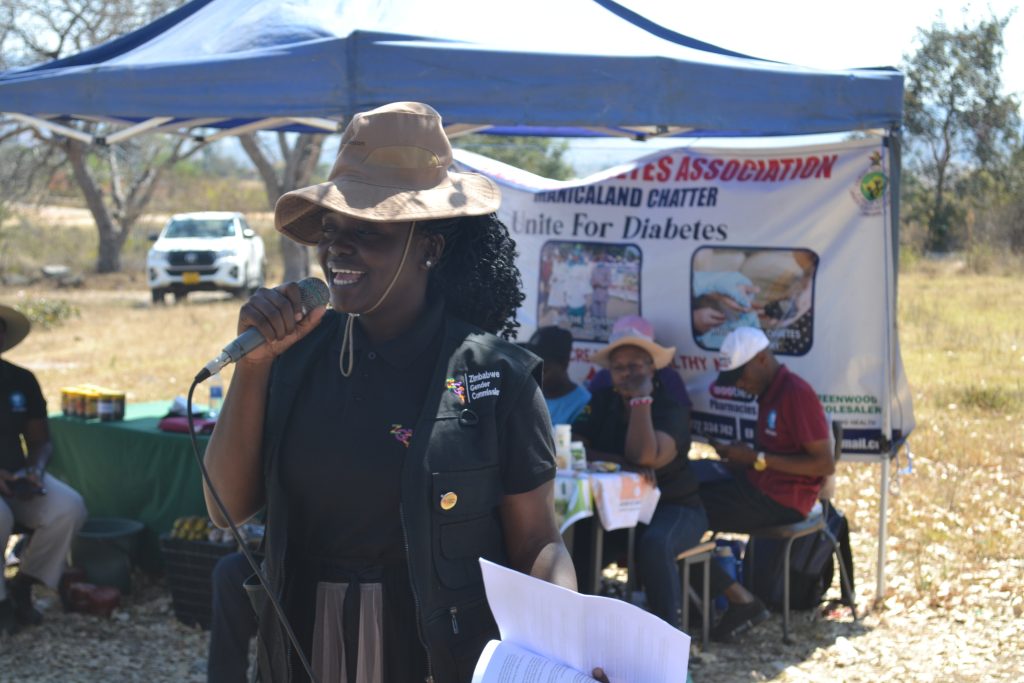
ARDA TRANSAU – The Zimbabwe Gender Commission (ZGC) has warned that anyone who accepts lobola for a child below the age of 18 will face arrest, as the country tightens enforcement of the new Marriage Act.
Speaking during a Rural Women Engagement Forum in Arda Transau yesterday, ZGC Investigations Officer Faith Kagwida said the law was clear on the protection of minors.
“Those who accept lobola for a child who is 18 years and below will be arrested. The Marriage Act does not allow child marriages, and we must protect our children,” Kagwida said.
She also underscored the principle of gender equality as enshrined in the Constitution.
“Women must know their rights—the right to equality, the right to education, the right to work, the right to political participation, and the right to freedom from violence. These are not privileges but constitutional rights,” she added.
Kagwida explained that the Marriage Act recognizes both civil and customary unions.
Kagwida clarified that civil marriages contracted under statutory law fall under the regime of out of community of property, unless the couple consciously signs an antenuptial contract before marriage to choose otherwise.
“In civil marriages, each spouse retains ownership of their own property unless they make a deliberate choice to enter into community of property through a legal contract. Customary marriages, however, have their own rules which often disadvantage women,” she said.
However, she said customary marriages sometimes left women disadvantaged.
“In some cases under customary law, women face challenges in asserting their property and inheritance rights. This is where awareness and legal enforcement become critical,” she said.
A representative from the Zimbabwe Human Rights Commission also addressed the gathering, stressing the importance of protecting the environment in mining communities.
“Section 73 of the Constitution guarantees every person the right to a clean environment. In mining areas, if the environment is not protected, it is women who suffer most because they depend on natural resources for their livelihoods,” she said.
Mutare District Development Officer (DDO) Mr. Matandare, who was the guest speaker, highlighted the importance of formalising women-led businesses.
“Formalisation is more than just paperwork. It gives women access to finance, markets, legal protection, and social security. Registering with NSSA, paying taxes, and acquiring business licenses are key steps to empowering women economically,” he said.
He noted that formalised businesses also benefit from skills development, training programs, and professional networks.
Speakers at the forum called for education and mindset change to bridge the gap between law and practice.
“It is transformed by education. Every girl in every village must have access to quality education. Adult literacy, vocational training, and digital skills are equally important for women to claim their place in society,” said Kagwida.
The forum concluded with a reminder that although the 2013 Constitution provides strong legal protections—including Sections 17, 56, and 80—women in rural areas still face systemic barriers such as patriarchy, discriminatory practices, and economic hardship.