
By Fanuel Chinowaita
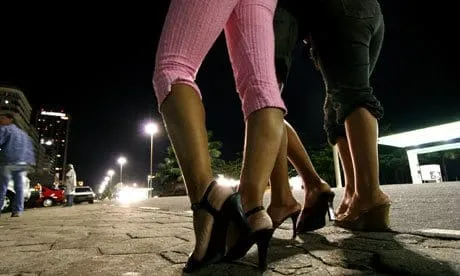
Mutare, June 29, 2025 | As dusk creeps over Mutare, the soft hum of engines idling at the Forbes Border Post merges with the laughter and clinking bottles from roadside shabeens along Parkroad. Amid the shadows of parked trucks, a different kind of hustle begins. Women some barely in their twenties—emerge from doorways and alleys, ready to earn a living the only way they can.
In the maze of logistics depots Green Motor Services (GMS), Bak Storage, Buffalo, Bulwark, Manica Container Depot, the women are simply known as “ladies of the night.” But behind the label are stories of hardship, exploitation, and the silent spread of disease.
“We call them Amigos—those Mozambican drivers,” says one woman, her voice low. “They use Congo dust and keep you all night, but then they vanish without paying.” She has no illusions about her work. “Some of us are raped, sodomised, forced to do things we never agreed to. But the police don’t help. They say, ‘You chose this life.’”
Here, sex sells for as little as $4. But the real cost is paid in blood through HIV infections, untreated sexually transmitted diseases (STIs), and broken bodies. As poverty pushes women to the margins, long-distance truck drivers with cash and mobility create a dangerous dynamic. “They don’t want condoms,” another woman explains. “If you say no, they drive off. If you’re desperate, you agree.”
The risk is not just personal. It’s public health. Female sex workers (FSWs) working along cross-border routes like Mutare’s are 13 times more likely to contract HIV than the general population, according to global health data. In Southern Africa, 36% of FSWs are HIV-positive, and yet fewer than 40% are tested annually. This gap leaves infections to fester and spread quietly, lethally.
Some women travel with drivers to Mozambique or Harare, continuing the cycle across borders. This mobility complicates everything from treatment to prevention. Clinics can’t trace infections, and many sex workers are not registered in any formal system.
A private clinic—Sisters Across Borders—offers a lifeline. Nestled along Park Street, it provides HIV testing and free condoms. But its reach is limited. “We test maybe 50 women a month,” says one volunteer nurse. “But there are hundreds more, working in hidden corners. Some don’t even know they can be tested without paying.”
The problem is structural. Few venues near the border offer condoms. Education campaigns are rare. And while the UNAIDS 2030 targets promote condom access, decriminalization of sex work, and use of PrEP (pre-exposure prophylaxis), those ideas remain just that—targets. In practice, the women face criminalisation, harassment, and abandonment.
One 28-year-old mother of two recounts her journey into sex work. “My husband left me. I had no job. I tried vending but couldn’t feed my children. So I came here.” She pauses. “It’s not a choice. It’s survival.”
According to recent studies, over 60% of patrons in cross-border venues report not using condoms during their last sexual encounter. The figures are sobering, but the silence is louder.
Solutions do exist. In Uganda and Kenya, peer educators visit truck stops, offering condoms, HIV testing, and referrals to clinics. These community-led interventions have seen success. But in Mutare, such efforts are underfunded or nonexistent. Only a few volunteers brave the nights, handing out protection at places like Gogo’s or Diana’s Shabeen.
“The suffering here is hidden,” says one health worker. “You see lights and music, but inside those trucks, women are hurting.”
Back at the border, as night deepens and trucks line up for clearance, the trade continues. Voices float through the night air some negotiating, others pleading. In this forgotten corner of the city, health, dignity, and protection are luxuries too few can afford.