
By Heather Buzuzi
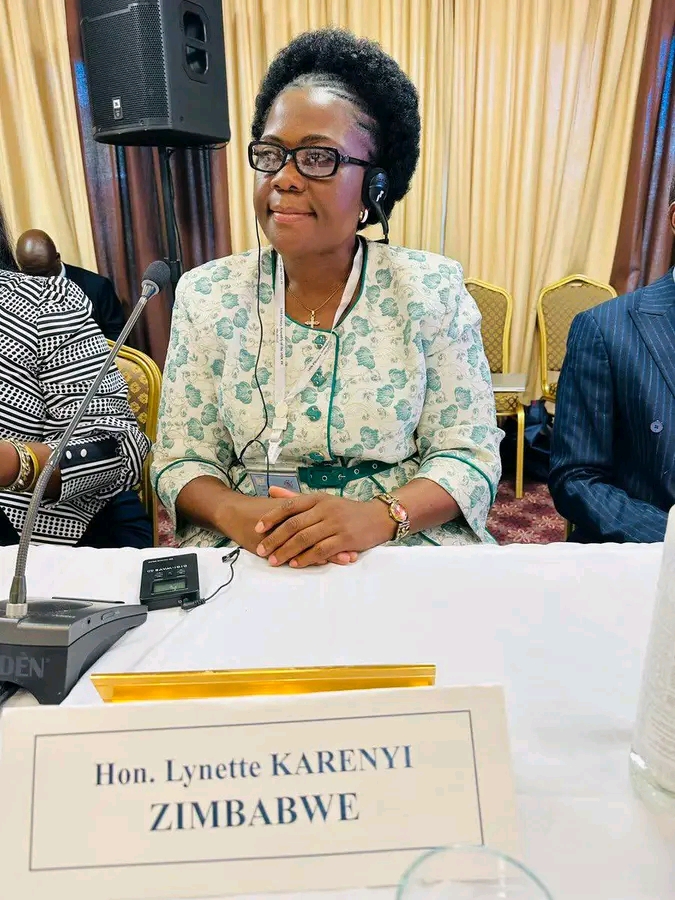
Harare, Zimbabwe, 28 June, 2025 | In a passionate address to Zimbabwe’s National Assembly last week, Hon. Lynnette Karenyi, the legislator for Chikanga Constituency in Mutare Urban, delivered a sharp critique of a proposed motion to enforce patriotism through state-mandated legislation, warning that such measures threaten fundamental rights and democratic principles.
“Patriotism by its nature is a personal and emotional commitment to one’s country, not something that can be legislated to human concerns,” Karenyi declared. “When the State starts mandating ideology, we move dangerously towards authoritarian rule. Compulsory patriotism is not patriotism, it is indoctrination.” She argued that the motion risked violating constitutional freedoms, particularly the rights to free thought, opinion, and expression.
Karenyi raised alarms over the potential weaponization of patriotism laws to suppress dissent, asking, “Who defines patriotism? Will critique of Government policies be labelled unpatriotic? Will opposition voices be silenced under this legal framework?” Her concerns echoed broader fears about Zimbabwe’s shrinking democratic space, where journalists and activists often face harassment for challenging official narratives. “We know very well in our country that we have so many journalists and media professionals who face harassment simply for opposing certain views,” she said. “If we focus on promoting media freedom, our country will see development and peace.”
The lawmaker also criticized the government’s misplaced priorities, noting that Zimbabwe faces urgent crises—economic hardship, unemployment, and failing public services—that demand attention over ideological enforcement. “Should not our efforts and public resources go into rebuilding education, health, infrastructure, and job creation instead of building ideology enforcement mechanisms?” she questioned.
Karenyi proposed alternative solutions, including strengthening civic education, fostering inclusive development, and safeguarding democratic rights. “True patriotism is cultivated through equality, education, national dialogue, transparency, and equitable development,” she said. “We must create voluntary spaces for civic dialogue, youth engagement, and cultural celebrations that build belonging organically.”
In a pointed critique of the ruling party’s influence, Karenyi referenced the Herbert Chitepo School of Ideology, where attendees reportedly received certificates bearing ZANU-PF logos. “This clearly shows it was a political ideology, not a national ideology,” she argued. “The moment it was politicized, everything lost its meaning.”
Closing her speech, Karenyi urged lawmakers to reject compulsory patriotism, warning against conflating loyalty with blind allegiance. “Zimbabwe’s greatness will come not from compulsory ideology but from a shared vision built on justice, opportunity, and mutual respect,” she said. “Let us not sacrifice freedom in the name of loyalty.”
Her remarks have drawn both support from civil society advocates and sharp criticism from proponents of the motion, setting the stage for further debate on the balance between national unity and individual freedoms in Zimbabwe’s political landscape.