
By Fanuel Chinowaita
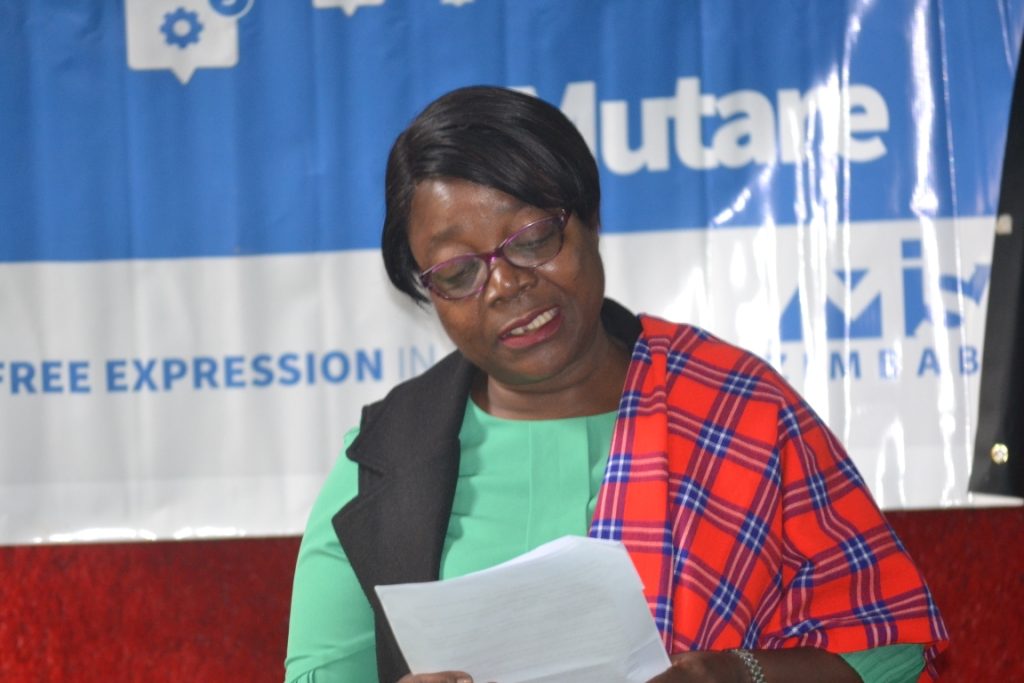
Mutare, May 26, 2025 At a belated World Press Freedom Day commemoration in Mutare on Friday, Zimbabwe, the Media Institute of Southern Africa (MISA) raised urgent concerns over escalating threats to media independence, citing government interference, economic instability, and the disruptive impact of artificial intelligence (AI) on journalism.
MISA Board Vice Chairperson Phyllis Kachere, delivering a speech on behalf of Chairperson Passmore Kuzipa, condemned the Zimbabwean government’s tightening grip on the media. “Journalists face political pressure, unequal treatment, and a shrinking space for independent reporting,” she stated, warning that such actions “kill media pluralism” and erode public trust .
The remarks follow Zimbabwe’s slight improvement in Reporters Without Borders’ 2025 press freedom index (106th out of 180), though systemic abuses persist, including arrests under the controversial “Patriot Act,” which criminalizes reporting deemed to “injure national interest” .
Kachere highlighted the collapse of traditional revenue streams, with media houses struggling amid dwindling advertising budgets and competition from social media. “Most outlets operate without sustainable funding,” she noted, exacerbating vulnerabilities to state influence .
A 2024 policy brief revealed that Zimbabwe’s state-controlled ZBC dominates 70% of the media market, while coercive licensing policies such as linking vehicle registration to ZBC fees further marginalize independent voices .
The event’s theme, “Reporting in the Brave New World: AI’s Impact on Press Freedom,” underscored AI’s transformative potential and perils. Kuzipa warned that while AI tools enhance investigative journalism, they also amplify misinformation, deepen inequalities between large and small media outlets, and enable threats like deepfakes .
Media law lecturer Mlondolozi Ndlovu criticized Zimbabwe’s lag in adapting curricula to AI, urging locally developed solutions to counter Western-centric algorithms .
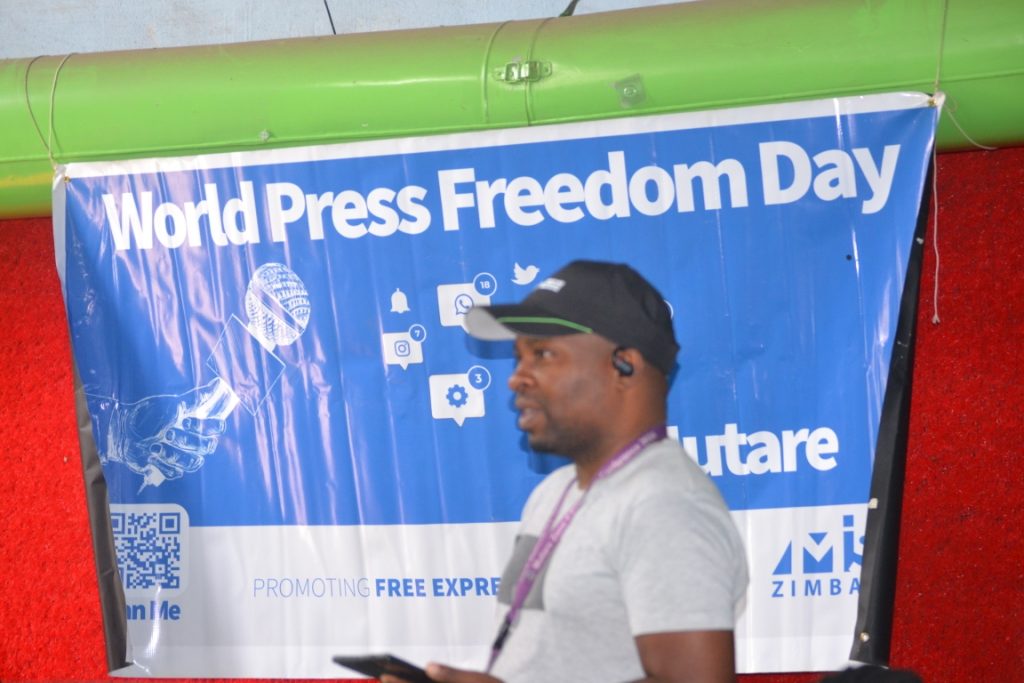
Human rights lawyer Passmore Nyakureba echoed calls for legal reforms, stressing that “access to information is a right, not a privilege.” His intervention aligned with MISA’s demand for the government to adopt an AI regulatory framework, including data access policies and ethical guidelines .
The warnings resonate across Southern Africa, where Mozambique’s post-election crackdowns and Zimbabwe’s punitive laws reflect a broader regression in press freedom . Globally, journalists face rising authoritarianism, from U.S. funding cuts to public broadcasters under Trump to Taliban-enforced media bans in Afghanistan .
Nyakureba concluded: “Without systemic change, Zimbabwe’s media will remain a battleground, not a beacon of truth.”