
By Heather Buzuzi
Harare’s wetlands, crucial for the city’s water security and ecological balance, are facing a crisis. Despite existing policies meant to protect them, illegal developments and agricultural activities continue to threaten their survival. Dr. Rob Cunliffe of the Zimbabwe Wetlands Trust has warned that if urgent action is not taken, the city’s water supply will be severely compromised.
Speaking at a recent review of the City of Harare’s (COH) draft environment and climate policy, Dr. Cunliffe criticized the current approach, saying it fails to recognize the full value of wetlands. “Wetlands work for water,” he said. “They are not wastelands; they are the natural infrastructure that collects, stores, and releases clean water to the city’s supply dams.” He argued that these fragile ecosystems should be zoned strictly for water provisioning and not for development.
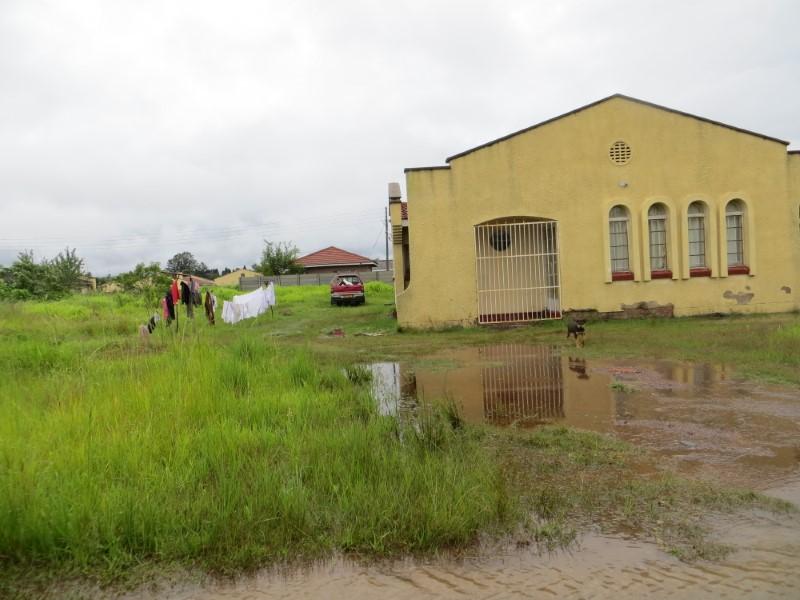
Despite existing legal protections, wetlands are still being lost to construction projects and agricultural activities. “The reality is that the so-called protective instruments are not working,” Dr. Cunliffe said.
“It is still possible to get authorizations from EMA and COH to build on wetlands, and the destruction is continuing at an alarming rate.” He pointed out that allowing any form of development, even so-called ‘soft options’ like golf courses or car washes, compromises the wetlands’ ability to provide clean water.
One of the most controversial elements of the draft policy is its suggestion to conduct further research on the impacts of wetland cultivation. Dr. Cunliffe dismissed this idea as unnecessary and dangerous. “There is already enough research proving that wetlands are lost if cultivated. Why are we even considering this when wetlands are under such severe threat?” he asked.
He urged COH to take stronger measures, including formally recognizing existing wetland maps, zoning all wetlands as water provisioning areas, and restoring those that have already been damaged. “We need to move beyond vague commitments,” he said. “No new development permits should be issued for wetlands, and illegal structures must not be regularized.”
He also called for an end to agriculture on wetlands, stating, “Growing crops on wetlands is not sustainable. It disrupts the natural balance, and in the long run, it destroys the very land people rely on.”
Dr. Cunliffe further recommended that COH relocate legal housing settlements built in flood-prone wetlands and return wetland areas to public ownership. “Many of these spaces have been sold off to private developers, but wetlands belong to the people,” he said.
“We need a serious program to reclaim them, whether through lease cancellations, land swaps, or compensation schemes.” He also stressed the importance of community involvement in wetland conservation. “Ordinary people must be part of the solution. Civil society should be actively engaged in managing and restoring wetlands,” he said.
Harare’s wetlands are at a tipping point. If action is not taken, the city risks losing its natural water sources and increasing the likelihood of severe water shortages.
“Wetlands are not empty spaces waiting to be developed,” Dr. Cunliffe warned. “They are the lifeblood of our city’s water system. If we don’t protect them now, we will all suffer the consequences.” The question remains—will the authorities listen before it is too late?