
By Fanuel Chinowaita
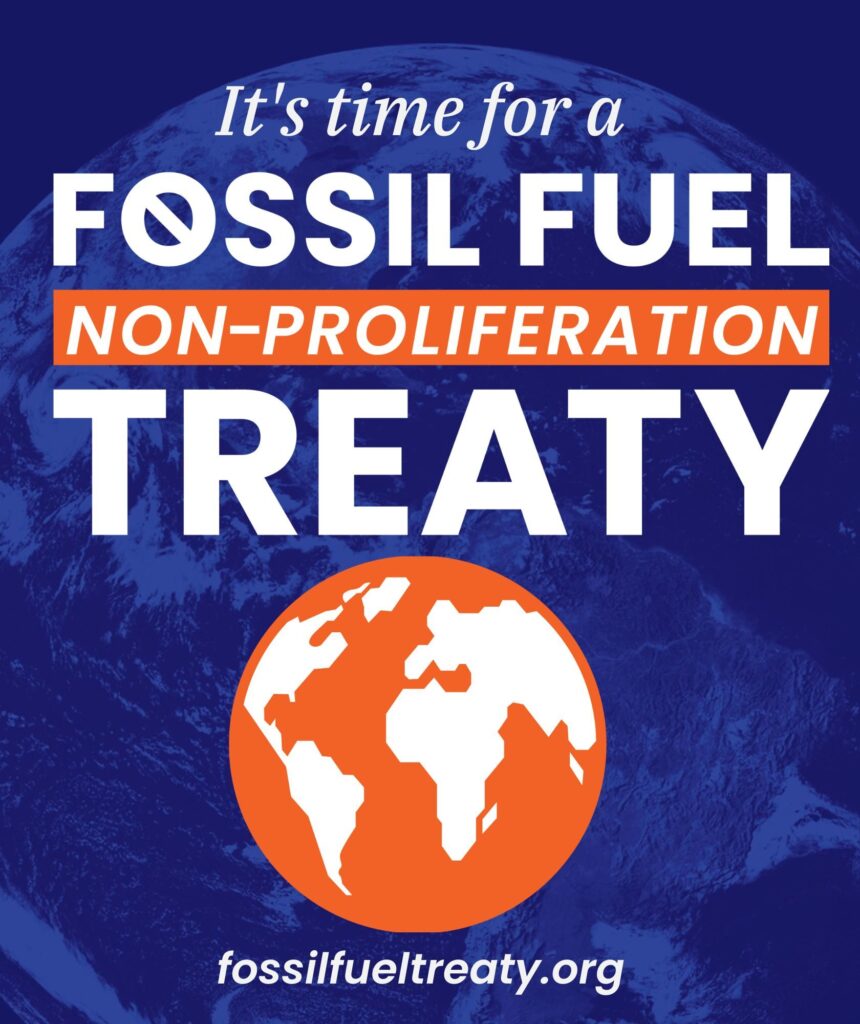
Mutare, Zimbabwe – The Manica Youth Assembly (MAYA) has urged the Zimbabwean government to formally endorse the Fossil Fuel Non-Proliferation Treaty, stressing the urgent need to transition away from fossil fuels in order to combat climate change, protect public health, and build a more sustainable economy.
MAYA, which joined the global movement in 2023, argues that Zimbabwe’s continued reliance on coal and crude oil is not only contributing to climate change but also making the country vulnerable to global energy price fluctuations and economic instability.
While speaking to the media in Sakubva today, the organization says fossil fuel pollution is causing severe health problems for communities living near extraction and combustion sites, while also slowing down Zimbabwe’s progress in adopting renewable energy.
MAYA Director Jussa Kudherezera emphasized that the government must take decisive action to ensure Zimbabwe is not left behind in the global transition to cleaner energy.
“Zimbabwe’s dependence on fossil fuels is not only accelerating climate change but also making our economy fragile. If we do not act now, we risk being left behind while the rest of the world shifts towards cleaner energy sources,” Kudherezera said.
The organization’s Environmental Department echoed this call, warning that fossil fuel combustion is a major contributor to greenhouse gas emissions, which are responsible for extreme weather patterns, droughts, and food insecurity in Zimbabwe.
They noted that reliance on fossil fuels is preventing the country from fully harnessing the potential of renewable energy sources, which could create new economic opportunities and reduce energy shortages.
Zimbabwe currently generates 40% of its electricity from coal, with 553 million tonnes of reserves that could last for 163 years.
Meanwhile, the country is exploring crude oil deposits in Muzarabani, a development that MAYA argues contradicts Zimbabwe’s commitments under the Paris Agreement to cut greenhouse gas emissions and transition to cleaner energy sources.
MAYA’s call for Zimbabwe to endorse the Fossil Fuel Non-Proliferation Treaty comes at a time when several Zimbabwean Members of Parliament have already backed the initiative, joining a growing international movement pushing for a phase-out of fossil fuels.
The treaty has been endorsed by over 350 signatories, including 101 Nobel Laureates, 3,000 scientists and academics, and 525 parliamentarians from 70 countries. Cities such as Barcelona, Vancouver, Lima, and Sydney have also pledged their support.
“Zimbabwe must align with this global movement and take decisive steps toward phasing out fossil fuels. By endorsing the treaty, the government can attract international funding for renewable energy projects and build a more sustainable future,” Kudherezera said.
MAYA is urging the government to take immediate steps toward a just transition from fossil fuels. Kudherezera emphasized that Zimbabwe must develop a clear national strategy to phase down fossil fuel production while investing in renewable energy projects such as solar, wind, and hydropower. He noted that a transition to clean energy must also consider workers and communities that rely on the fossil fuel industry.
“As Zimbabwe transitions away from fossil fuels, the government must ensure that affected workers and communities are not left behind. This means providing job retraining programs, social safety nets, and economic diversification initiatives to help them adjust to the new energy landscape,” he said.
MAYA also pointed out that Zimbabwe can leverage international support to secure funding for clean energy infrastructure. The transition to renewable energy, they argue, aligns with Zimbabwe’s Vision 2030, which aims to modernize the economy while promoting sustainable development.
The organization believes that moving away from fossil fuels will not only help Zimbabwe meet its climate commitments but also create new job opportunities, particularly for young people and women, who often face economic disparities.
“The world is moving forward, and we cannot afford to be left behind. By embracing renewables, Zimbabwe can reduce its carbon footprint, create jobs, and improve public health. The time for action is now. The government, businesses, and ordinary citizens must come together to build a greener and more resilient Zimbabwe,” Kudherezera concluded.
MAYA has vowed to continue engaging policymakers, civil society, and communities to push for Zimbabwe’s endorsement of the treaty, warning that failure to act could have devastating consequences for both the environment and future generations.
Sta