
By Fortunate Black
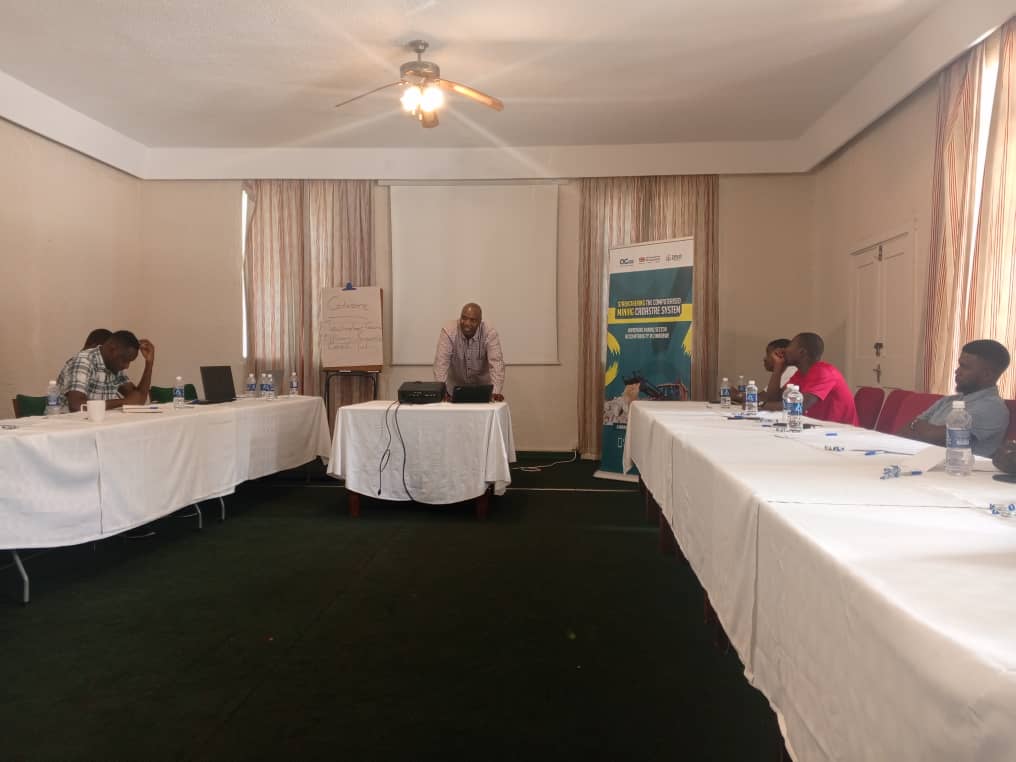
MUTARE, 31 March 2026— Stakeholders convened at Mutare Club on Monday for a Green Governance workshop to discuss findings from a research study on the Computerized Cadastre System under the Manicaland pilot project. The event highlighted both progress and persistent governance gaps in Zimbabwe’s mining sector.
Nyasha Frank Mpahlo, Director of Green Governance, said the study assessed the system’s performance, transparency, accountability, stakeholder inclusion, and policy direction. He noted that while the cadastre system represents progress in modernizing mining administration, significant challenges remain.
Key concerns included ongoing boundary disputes and unresolved mining claims—issues the digital system was expected to alleviate. Participants heard that data migration into the computerized platform has been fraught with difficulties, compromising accuracy and reliability. Mpahlo also pointed to limited government investment as a factor slowing the system’s effectiveness.
“The system has potential, but without adequate resources and proper implementation, its impact will remain limited,” Mpahlo said.
The workshop also revealed that the cadastre system has inadvertently created barriers for small-scale miners, many of whom lack the technical equipment and financial capacity to participate. High operational costs, a widening digital divide, and the exclusion of women were flagged as major setbacks. Attendees noted that participation has largely been dominated by elites, while weak coordination and enforcement mechanisms have undermined trust in the system.
“There is currently low trust in governance structures and no clear social contract between communities and authorities,” Mpahlo added.
Another facilitator, Freeman Boso, emphasized the broader governance implications of the cadastre system. He explained that while the Ministry of Mines continues to rely on physical pegging of mining claims, it lacks the capacity to accurately quantify mineral resources.
“The cadastre system is not just about creating a database; it is governance infrastructure,” Boso said. “If properly implemented, it can improve security of tenure, ensure a first-come, first-served allocation system, and significantly reduce disputes.”
Boso contrasted the digital system with the traditional paper-based approach, which he said has been prone to double allocations, discretionary decision-making, and political interference.
Despite its promise, participants noted that the cadastre system is not yet fully accessible to the public, limiting transparency and citizen participation.
Voices from miners at the workshop reflected both hope and concern.
“We want a system that is fair and accessible,” said one small-scale miner from Penhalonga. “Right now, the costs are too high, and many of us don’t have the technology needed to be part of this system.”
Another miner from Marange added, “If the cadastre system is meant to reduce disputes, then it must include everyone. Excluding small miners and women defeats the whole purpose.”
The workshop concluded with calls for increased government investment, inclusive policies, and improved access to ensure the cadastre system benefits all stakeholders and strengthens accountability within Zimbabwe’s mining sector.