
The Wasu Post Correspondent
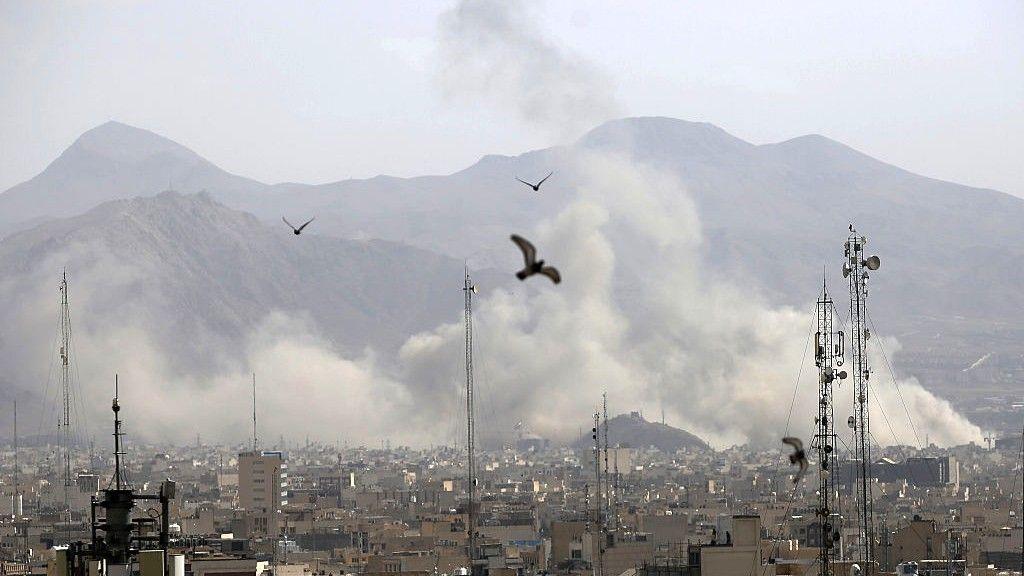
In a significant escalation, the United States and Israel have commenced a coordinated military strike on Iran, with President Donald Trump announcing the onset of “major combat operations.” This aggressive move aims to undermine Iran’s nuclear capabilities amidst ongoing tensions regarding its nuclear negotiations.
Iran has responded swiftly, initiating retaliatory strikes with explosions reported in various Gulf countries, including the United Arab Emirates, Bahrain, and Kuwait. Trump has urged the Iranian populace to seize this moment for regime change, stating, “It will be yours to take. This will probably be your only chance for generations.”
The situation escalated rapidly after diplomatic efforts to resolve nuclear concerns faltered, with Tehran’s foreign ministry indicating it was aware of the imminent threat from the US and Israel but chose to proceed with negotiations nonetheless. In the wake of the attacks, the Iranian government has promised a robust response, vowing to protect its sovereignty and security.
Meanwhile, the UK government has distanced itself from the operation, expressing concerns about the potential for wider regional conflict and prioritizing the safety of UK nationals in the area. As tension mounts, a near-total internet blackout has been reported in Iran, complicating communications and information flow.
Trump characterized the attacks as necessary for ensuring freedom in Iran, but fears of escalating violence ripple through the region, with missile strikes targeting US military installations and civilian areas. The impact of these developments will likely resonate across international relations and security dynamics in the Middle East for the foreseeable future.