
By Fanuel Chinowaita
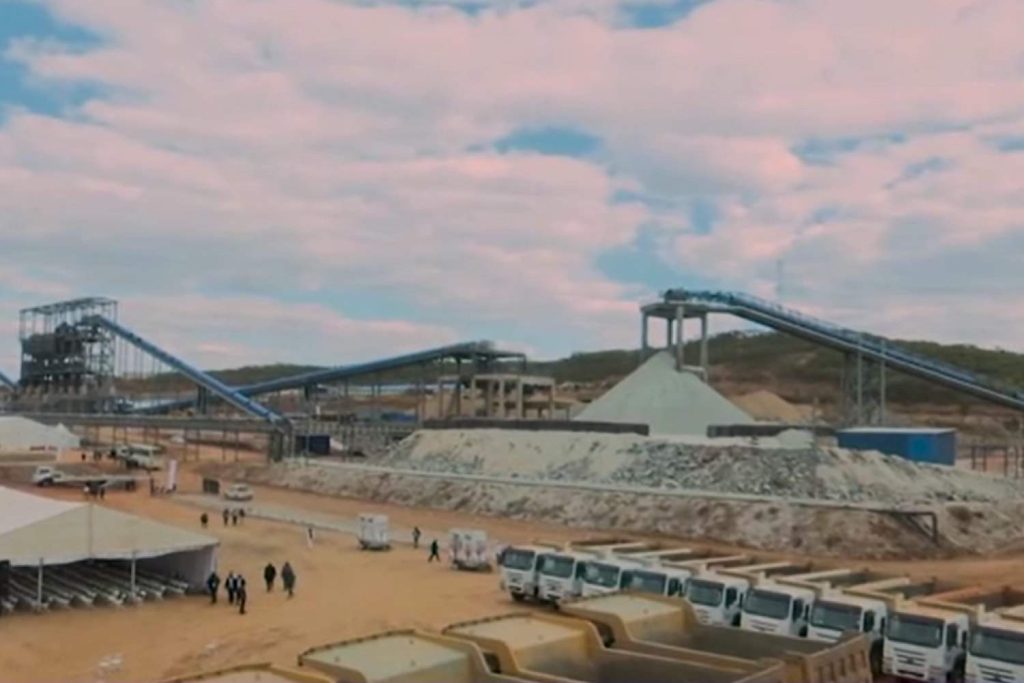
HARARE, 28 February 2027 – The Centre for Natural Resource Governance (CNRG) has expressed deep concern over Government’s immediate ban on the export of raw minerals and lithium concentrates, warning that the move risks destabilising the mining sector if not properly managed.
In a press statement issued on Friday, CNRG said while it supports mineral beneficiation and value addition, the sudden implementation of the export restriction lacked adequate consultation and a clear transitional framework.
“Zimbabwe’s aspiration to move up the mineral value chain is legitimate and necessary. However, transformation must be strategic rather than reactive, consultative rather than unilateral and gradual rather than abrupt,” the organisation said.
Last week, Mines and Mining Development Minister Polite Kambamura announced an immediate suspension of exports of all raw minerals and lithium concentrates, including shipments already in transit. Government said the measure was taken in the national interest and aimed at enhancing transparency, accountability and in-country value addition.
The ban had initially been scheduled to take effect in January 2027 for lithium concentrates, but authorities brought the deadline forward amid concerns over alleged malpractices in mineral exports.
Zimbabwe holds Africa’s largest lithium reserves and exported 1.128 million metric tonnes of lithium-bearing spodumene concentrate in the year ending December 2025, most of it to China for further processing.
In its response, CNRG said the decision appears to have been taken without adequate engagement with key stakeholders, including the Chamber of Mines of Zimbabwe, labour unions, affected communities and investors.
The watchdog warned that abrupt policy shifts undermine investor confidence and create regulatory uncertainty in a highly competitive global lithium market.
“The swift implementation of the ban, including halting exports already in transit, constitutes a severe disruption to contractual obligations and supply chains,” CNRG said.
It cautioned that immediate consequences could include suspension or scaling down of mining operations, workers being placed on unpaid leave, reduced foreign currency inflows and potential litigation arising from breached contracts.
Mining is Zimbabwe’s second-largest contributor to gross domestic product after manufacturing, accounting for 14.3 percent of output, according to World Bank data.
CNRG stressed that beneficiation cannot be achieved through export bans alone, saying it requires reliable and affordable energy supply, industrial water infrastructure, transport and logistics systems, access to capital, skilled labour and stable macroeconomic conditions.
“Beneficiation and industrial manufacturing require different competencies, capital structures and strategic objectives,” the organisation noted, adding that Government must attract specialised investors with technological capacity for refining and battery precursor production.
In its recommendations, CNRG called for an immediate transitional framework to allow companies to honour existing contracts, the establishment of an inclusive national consultative forum and the development of phased beneficiation targets over a five to ten-year period.
The organisation also urged Government to provide fiscal incentives for lithium processing, prioritise infrastructure development in designated mineral zones, codify beneficiation policy within a stable legislative framework and safeguard workers from sudden job losses.
Zimbabwe has in recent years attracted significant investment from Chinese firms such as Zhejiang Huayou Cobalt, Sinomine, Chengxin Lithium Group and Yahua, which have expanded spodumene production and announced plans to build lithium sulphate processing plants.
CNRG said it remains committed to supporting a mineral governance framework that promotes transparency, industrialisation, social justice and intergenerational equity.