
By Fanuel Chinowaita
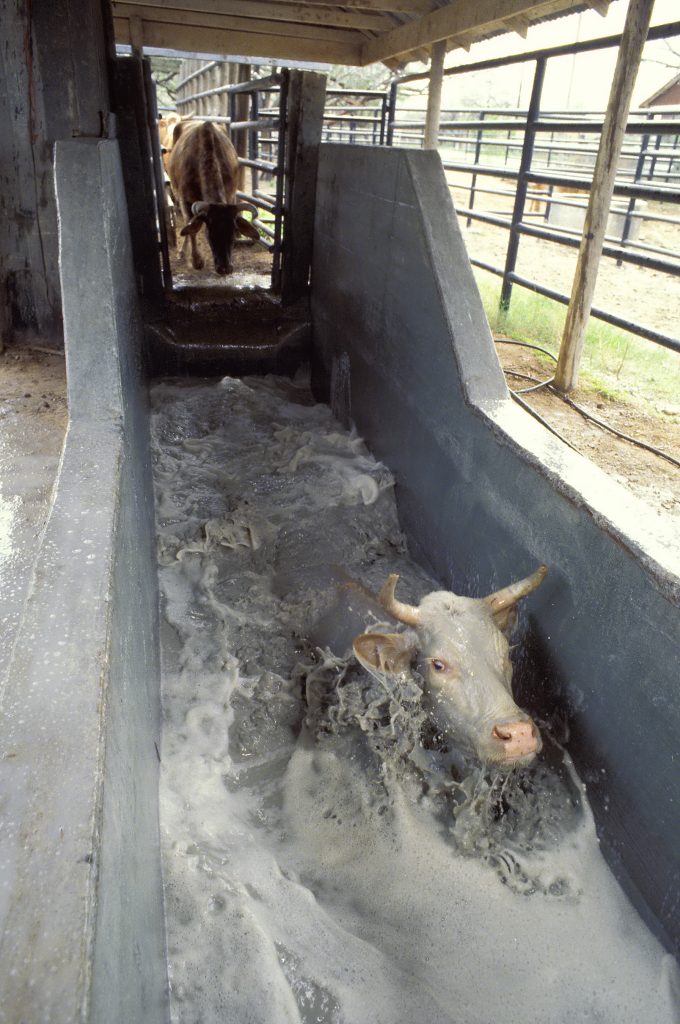
The Government has fully revived the national livestock dipping programme, with acaricides now distributed to all provinces, boosting efforts to contain tick-borne diseases at the height of the rainy season and protect national livestock productivity.
The restoration comes as increased rainfall fuels a spike in tick populations, heightening the risk of economically damaging diseases such as theileriosis, heartwater, anaplasmosis (gallsickness) and babesiosis (redwater). Officials say the availability of acaricides nationwide reinforces the Integrated Tick and Tick-Borne Disease Control Programme, which prioritises vector control as the backbone of disease prevention.
Chief Director of Veterinary Services, Dr. Pious Makaya, said dipping remains the most effective frontline defence during the wet season.
“Dipping is the cornerstone of tick control, especially during the rainy season when tick populations explode. With acaricides now reaching every province, farmers can protect their herds more effectively than ever before.”
He said the strategy goes beyond dipping, combining it with vaccinations when outbreaks occur.
“Our integrated approach combines consistent dipping with targeted vaccination whenever disease breakthroughs occur. This strategy has already saved countless animals and will continue to reduce mortalities by up to 80 percent where vaccination is promptly applied.”
Authorities have urged farmers and dip attendants to strictly observe dipping schedules and ensure correct preparation of dip-wash chemicals.
“Correct mixing is essential,” Dr. Makaya noted. “It not only ensures maximum efficacy but also helps prevent acaricide resistance. Farmers and dip attendants must prioritise safety while adhering to best practices.”
Veterinary Extension Services have also intensified awareness campaigns on production diseases that escalate during the rainy season, including mastitis, calf scours and internal parasites.
Farmers are being encouraged to regularly dose animals to maintain productivity.
Beyond tick-borne diseases, Government is maintaining surveillance on major transboundary and zoonotic diseases such as foot-and-mouth disease, Newcastle disease and rabies. Rabies remains a concern in urban and peri-urban areas bordering conservancies and national parks, where jackals are a key reservoir. Vaccination programmes are ongoing to protect both animals and people.
Confidence in vaccination is reportedly rising, with more than 115 000 cattle vaccinated using Borovac this season alone. Plans are also underway to scale up local vaccine production to meet national demand, particularly during periods when dipping may be disrupted.
“We are seeing tremendous commitment from farmers. The combination of nationwide dipping and expanding vaccination coverage is already delivering positive results, strengthening livestock health and securing rural livelihoods across Zimbabwe,” Dr. Makaya said.
He added, “With acaricides now fully accessible and our integrated approach in place, the outlook for livestock health this season has never been brighter.”