
By Fanuel Chinowaita
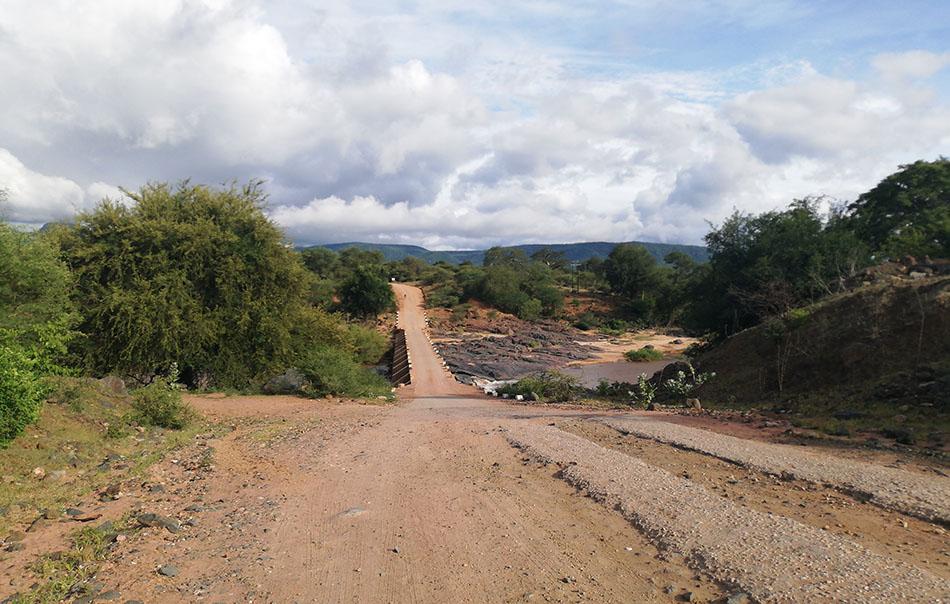
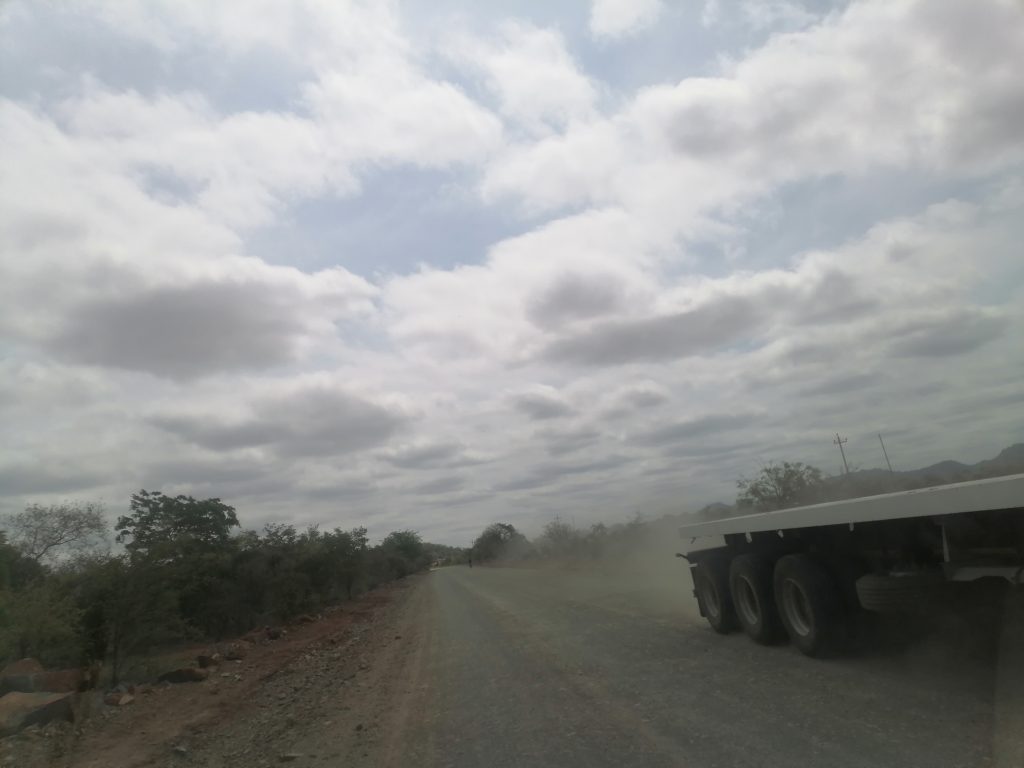
A thick, red haze hangs over the 40-kilometer track from Murambinda Road to the Sabi Star lithium mine. It’s a new road for a new boom, but the scene is a grim replay of an old story. This choking dust is the same that once swallowed the diamond fields of Chiadzwa, and it carries the same broken promises. Zimbabwe’s geography of extraction changes—from diamonds to lithium—but the script for its communities remains tragically unchanged: wealth leaves, dust settles.
Today, money flows at Sabi Star, the epicenter of Zimbabwe’s lithium rush. Yet, as observers note, the workers earning good wages are often not local, mirroring the Chiadzwa diamond frenzy where legendary fortunes vanished into corporate and elite pockets, leaving Marange in the dark. Now, Chiadzwa itself stands as a stark monument to this cycle. Companies like Anjin and Zimbabwe Consolidated Diamond Company (ZCDC) cite a market flooded with laboratory made diamonds, but the real story is the local landscape: stripped of its wealth, yet never graced with the basic development paid for by it.
The connection between the two sites isn’t just thematic; it’s visceral, measured in the particulate matter that invades daily life. Farai Maguwu of the Centre for Natural Resource Governance (CNRG) recently spotlighted the crisis, stating on X: “Villagers complain of dust pollution. Vegetables accumulate sand daily. Fruit trees are covered in dust, producing less.” His piercing question exposes a national failure: “If this road can’t be tarred NOW, will it ever be tarred even in a million years?”
For residents, this is a health emergency, not an inconvenience. A Buhera local, whose home sits just 5km off the main road, describes an existence under relentless assault: “Every less than 15 minutes these trucks are going up and down… A lot of people will suffer from TB anytime soon. Vegetation has died.” Their anguished conclusion, alleging high-level complicity, echoes a widespread sentiment of betrayal: the benefits are extracted, while the costs are inhaled.
Maguwu’s broader indictment binds the fate of lithium-rich Sabi to diamond-depleted Chiadzwa: “Why is the government failing to do basic things in these mineral-rich communities? In Marange, they failed to construct a single KM of tarred road. Who then is benefitting from Zimbabwe’s mineral resource endowment?”
The answer lies in the contrasting landscapes. In Chiadzwa, the diamond rush is subdued, leaving behind a legacy of emptiness where infrastructure should be. In Sabi, the lithium rush is in furious motion, creating the same conditions that will lead to the same emptiness. The road remains unpaved because tar would represent a permanent investment in the people, a down payment on their share of the wealth. The dust, however, is a perfect symbol: it’s what remains of their resources—a fine, suffocating residue coating their lungs, their crops, and their futures.
Zimbabwe is trading one precious resource for another, but for its mining communities, the currency is always dust. Until the nation breaks this curse—until a tarred road is seen not as a plea but as a right—the cycle will only repeat. The lithium will power the world’s batteries, just as the diamonds adorned the world’s elite, while the children of Buhera and Marange are left with nothing but the memory of what was beneath their feet, and the taste of what it turned into.