
By Fanuel Chinowaita
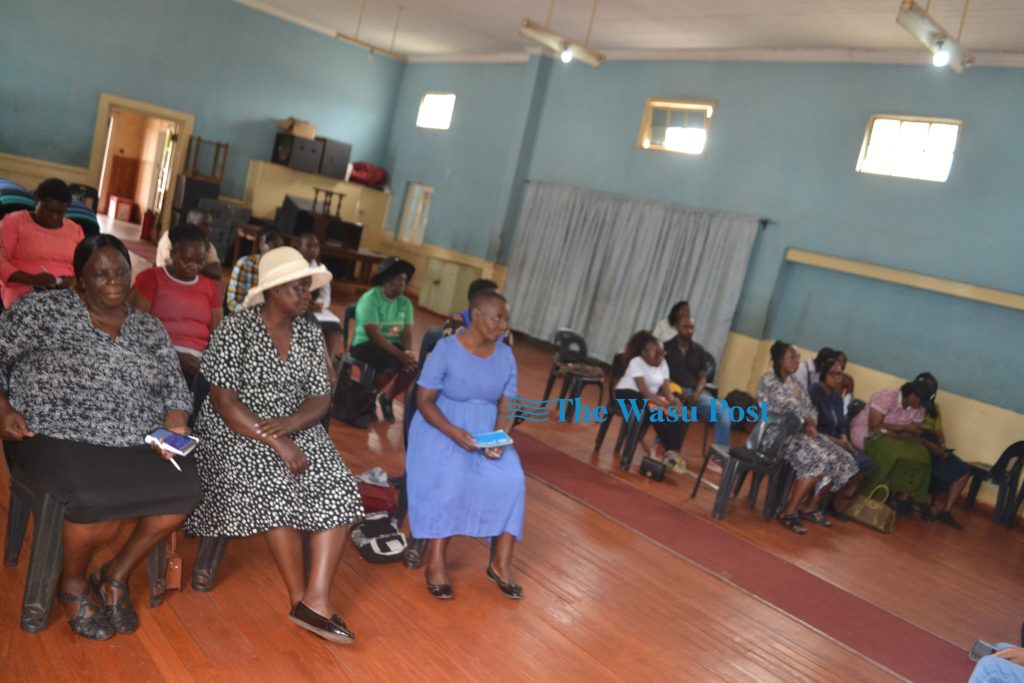
MUTARE, 26 November 2025 – The Vendors Initiative for Social and Economic Transformation (VISET) and the United Mutare Residents and Ratepayers Trust (UMRRT) on Monday held a joint engagement meeting in Mutare, strengthening collaboration on access to documentation, improved health service delivery, and community participation in local governance.
The meeting also followed VISET’s recently held Budget Feedback Meeting in Mutare, where the organisation reviewed how the city conducted its 2026 budget consultations, the key concerns raised by residents and the progress made by Mutare City Council in drafting the budget.
The feedback exercise was supported by the Foreign, Commonwealth & Development Office (FCDO) and Development Alternatives Incorporated (DAI).
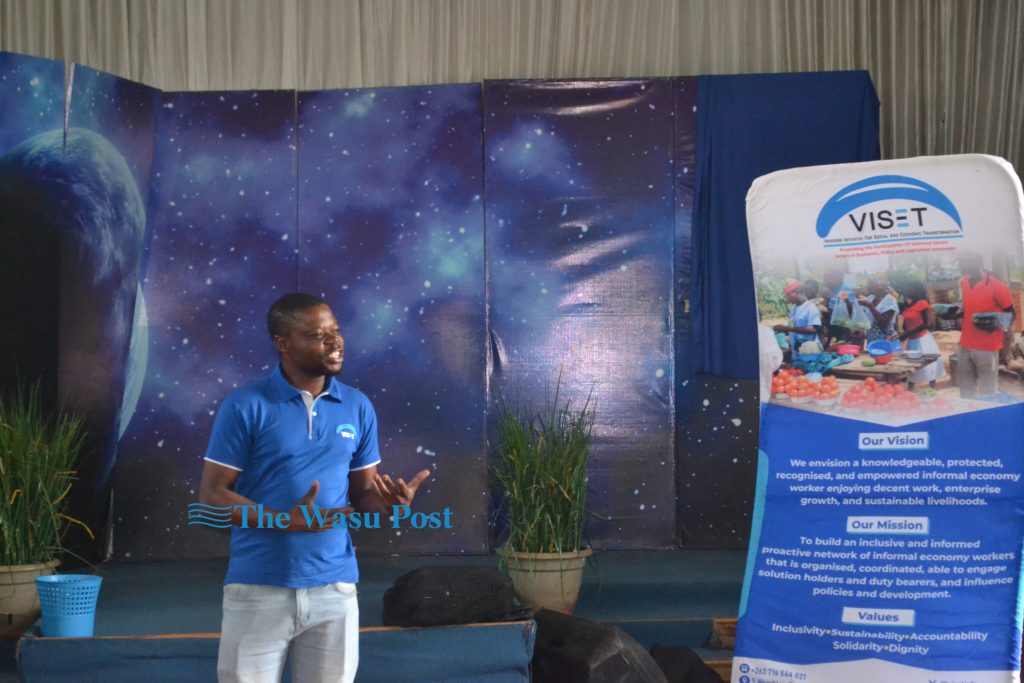
The session was moderated by Edward Kapodogo, VISET Monitoring and Evaluation Officer, who guided the discussions and ensured that both vendors’ and residents’ voices were fully incorporated.

UMRRT Director Eddie Dube opened the meeting, underscoring the importance of unity between residents and vendors in advocating for accountability and improved municipal service delivery.
“Residents are vendors and vendors are residents. Our collaboration strengthens community advocacy and ensures we speak with one voice,” Dube said.

UMRRT Programs Officer Prince Chabuka led the discussion on documentation challenges under their Access to Documentation (ATD) programme, which is active in Mutare Urban, Mutasa District and Mutare Rural. The programme is supported by the Legal Resources Foundation (LRF) and the Zimbabwe Human Rights Commission (ZHRC).
Chabuka said many citizens still struggle to obtain birth certificates, national IDs and death certificates, limiting their access to education, employment, healthcare and voting rights.
“The right to documentation is just as important as the right to water,” he said. “We are working with civil registry officials to conduct outreach campaigns so that citizens—especially rural dwellers—can access national IDs and birth certificates.”
He noted that informal traders also require proper identification documents to be allocated formal vending spaces.
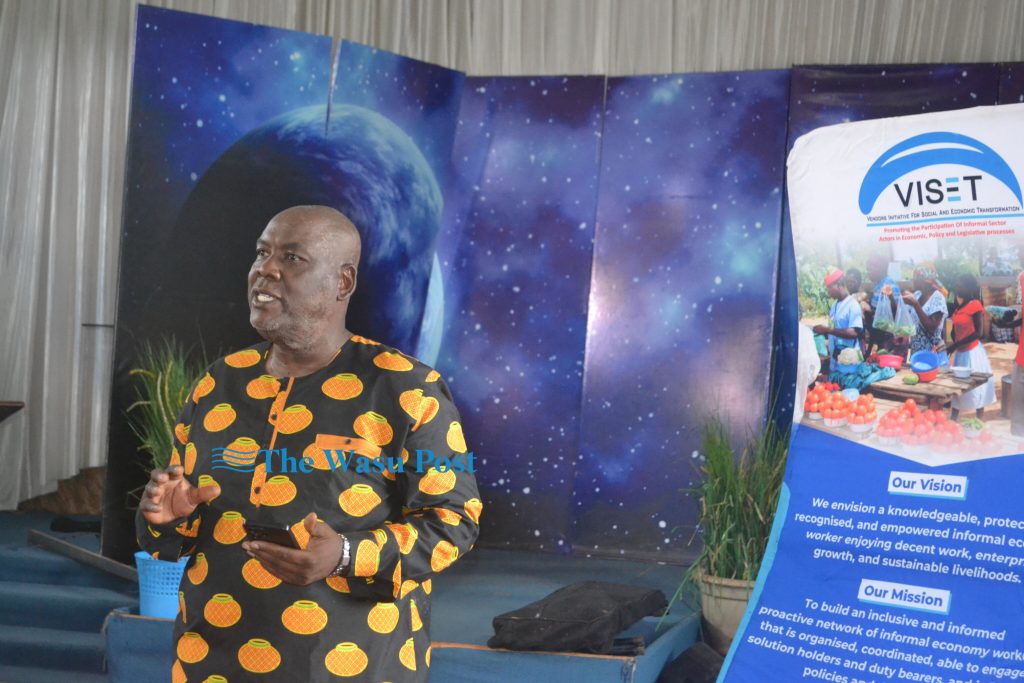
During VISET’s Budget Feedback Meeting, David Mutambirwa of the Multi-Stakeholder Platform and VISET Manicaland Coordinator said Mutare City Council used multiple strategies to engage different communities and interest groups during budget consultations.
“The city made efforts to reach various stakeholders, considering different operating hours and work schedules,” Mutambirwa said.
Residents highlighted several priority areas for the upcoming budget, including: extended operating hours at clinics, improved medicine availability, completion of Hobhouse Clinic, construction of a perimeter wall at Sakubva Maternity Clinic and recruitment of more nursing staff.
Mutambirwa, who also sits on a Mutare City Council committee, added that the proposed 2026 budget also includes infrastructure priorities such as road rehabilitation, tower light installation, sewer system upgrades, disability-friendly vending structures, water meter replacements, expansion of clinics and schools, construction of foot bridges and development of social and cultural facilities.
VISET Programs Manager Jabulani Chikomwe said the Local Accountability for Citizen Engagement (LACE) project aims to amplify the voice and agency of informal traders and residents.
“We are encouraged by the City of Mutare’s inclusive approach to budgeting. For the first time, informal traders participated in the council’s strategic budget meeting,” he said.
“As VISET, we will continue tracking the process to ensure health services and service delivery improvements are prioritised.”
The meeting ended with VISET and UMRRT committing to continued collaboration and strengthened citizen engagement to improve access to documentation, enhance accountability, and ensure service delivery benefits both residents and informal traders.