
By Fanuel Chinowaita
Mutare, 27 October 2025 – The City of Mutare’s innovative door-to-door budget consultation campaign has entered its fourth day, drawing growing participation from residents eager to shape the city’s 2026 financial and development priorities.
The outreach program — spearheaded by the City of Mutare in partnership with the United Mutare Residents and Ratepayers Trust (UMRRT) and other civic stakeholders — is part of the city’s broader efforts to promote inclusive and participatory governance. It aims to ensure that Mutare’s estimated 280,000 residents have a direct say in how council funds are allocated.
Over the weekend, The Wasu Post observed teams of energetic enumerators wearing green bibs labeled “UMRRT Enumerator” moving through Chikanga Phase 3, St Joseph’s Park, and other suburbs, engaging residents on issues such as service delivery, infrastructure development, and council priorities.
“The response has been very good. Most residents are cooperating and showing great interest in contributing to the budget process,” said one enumerator. “Only a few people have not given us their time, but overall, things are going smoothly.”
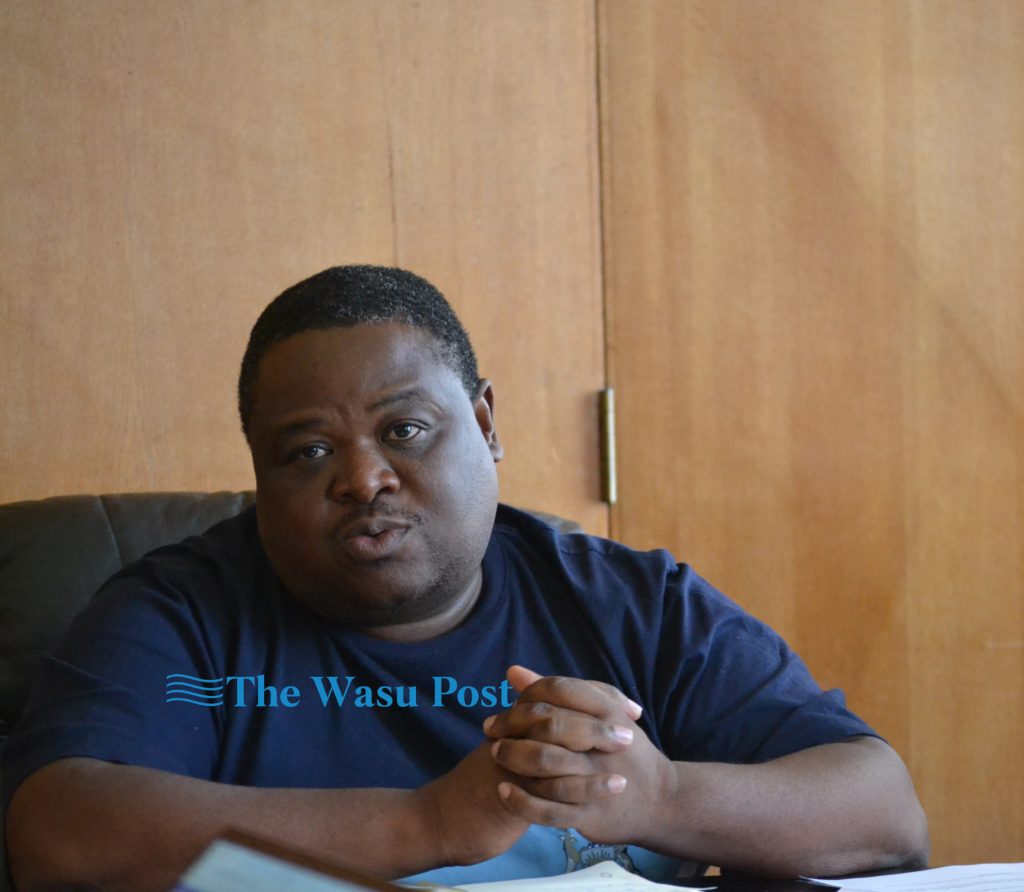
City of Mutare Town Clerk Mr. Blessing Chafesuka said the council adopted this door-to-door approach after realizing that traditional public meetings often attracted low turnout.
“People are not attending consultations, so Council decided to fund door-to-door consultations. You will see people wearing bibs written ‘UMRRT Enumerator’. Please accept them when they visit your homes,” said Chafesuka.
He emphasized that this initiative is an official city program, designed to promote inclusivity and transparency.
“We cannot allow about 5,000 people to decide for approximately 280,000 residents. Door-to-door consultations will help us reach more people and ensure broader community participation,” he added.
According to the Town Clerk, the consultations are expected to reach over 280,000 residents before the proposed 2026 budget is finalized and submitted to the Minister of Local Government for approval.
The consultations have been met with enthusiasm from the community.
“This is a brilliant idea. It shows Council wants to listen to us. For the first time, I feel like my voice counts in city planning,” said Mrs. Ropa Ncube of Chikanga.
Another resident, Mr. Martin Dzingai of St Joseph’s Park, added: “Many people miss public meetings because of work or distance. This door-to-door approach gives everyone a fair chance to contribute.”
The UMRRT confirmed that 50 trained enumerators have been deployed citywide, collecting household views on service delivery, tariffs, education, and infrastructure.
“Our team is on the ground conducting the 2026 Mutare City budget consultation exercise. We call on all residents to support them and make their voices heard,” the Trust said in a statement.
Despite facing economic constraints and the non-disbursement of devolution funds, the City of Mutare has recorded notable progress in several key sectors.
As of June 2025, the local authority had billed ZWG666,653,934.00 and managed to collect ZWG454,415,326.00, achieving a collection efficiency of 68.16%.
Major completed projects include: Procurement of a multi-purpose fire ladder, purchase of over 4,000 water meters, acquisition of three buses for sports development, resealing of Simon Mazorodze Road at a cost of US$1.4 million, construction of a sixth classroom block at Gimboki Primary School, addition of nine utility vehicles and a water bowser to the council fleet.
Sports infrastructure has also benefited, with US$475,547.64 invested in Sakubva Stadium renovations, Sakubva Swimming Pool, and other sports-related projects.
Mutare continues to grapple with a shortage of 49 schools, a gap that Chafesuka says the Education Levy and Responsible Authority Levy are meant to address.
“Since 1890 until about four years ago, Council had only four schools. We have since built Gimboki, Hobhouse, and Chikanga Primary Schools. The Education Levy — just US$1 per household per month — plays a vital role in closing this gap,” said Chafesuka.
The Responsible Authority Levy, introduced in 2025, has so far raised US$182,334.90 across seven schools, with 100% of funds directed to school infrastructure development.
“We want to empower our schools and assure parents that their money is being used transparently. Through this levy, we hope to build at least one school every year,” Chafesuka added.
The council continues to face financial challenges, including non-payment of bills by government departments (US$2.4 million) and Mutasa Rural District Council (US$983,000). Other obstacles include delays in procurement, illegal vending, and inflationary pressures, with USD inflation at 14.2% as of August 2025.
Despite these hurdles, the City of Mutare is pressing ahead with major infrastructure projects, including the Murahwa sewer line, Chikanga Primary School expansion, and completion of Hobhouse Clinic.
Council is also pursuing income-generating projects such as a municipal fuel station, water bottling plant, and garment manufacturing company to strengthen its financial base.
As the door-to-door consultations continue, residents are not only being informed — they are actively shaping Mutare’s future.
“When we talk to these enumerators, we feel included,” said Mrs. Ncube with a smile. “This is how Mutare should build its future — together.”