By Fanuel Chinowaita
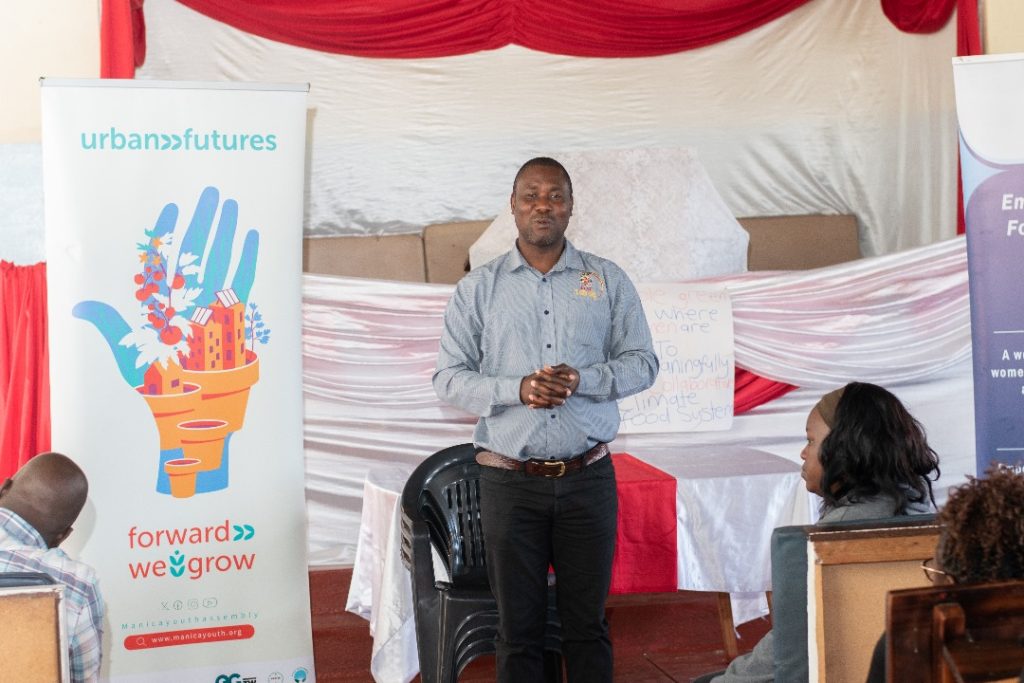
Mutare – July 15, 2025 – In a bold initiative to address youth unemployment and food insecurity, the Manica Youth Assembly (MAYA), under the Urban Future Project’s food systems resilience program supported by HIVOS, in partnership with Green Governance Trust Zimbabwe (GGZ) and the National Association of Youth Organisations (NAYO), convened a multi-stakeholder dialogue last week.
The event brought together Mutare City Councillors, Empower Bank, and the Zimbabwe Agriculture Development Trust (ZADT) to engage directly with young people.
The Urban Future Dialogue, held in Mutare, focused on building sustainable food systems by empowering youths and women through backyard farming, traditional food promotion, and access to finance. Themed “Towards a Sustainable Green Smart City: Empowering Youth and Women for Inclusive, Climate-Resilient Food Systems,” the event encouraged collaboration between youth, policymakers, and financial institutions.
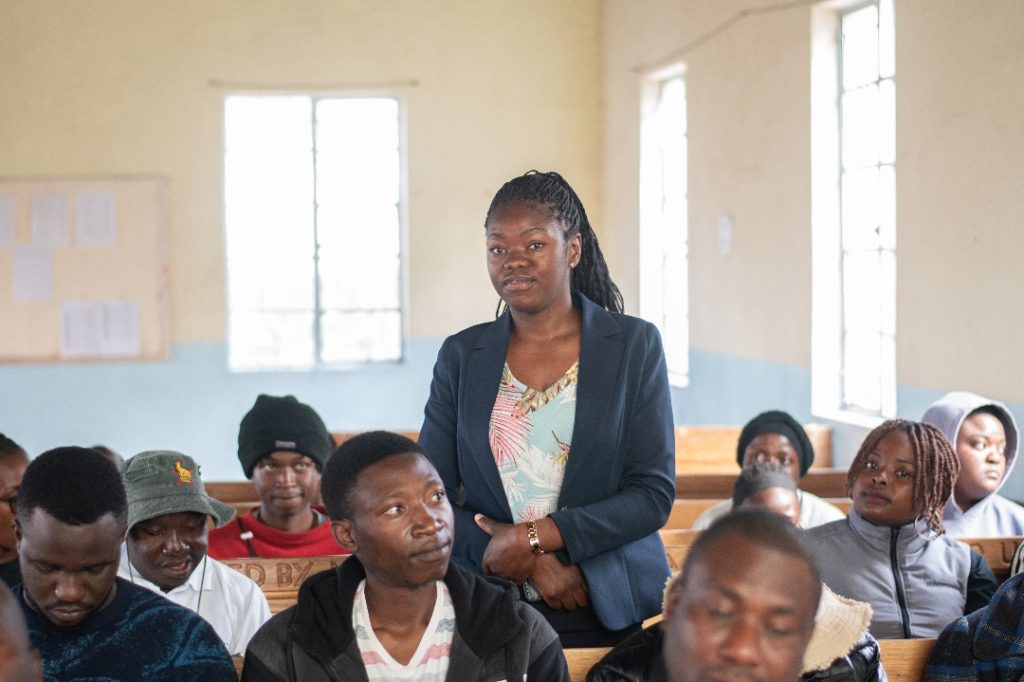
“We organised this platform after hearing from young people that they lack land and funding to start farming,” said Tinashe Muzama, MAYA Programmes Officer. “Our aim was to bring stakeholders who can offer practical solutions, and ensure youth voices are heard.”
City officials in attendance included Deputy Mayor Alderman John Nyamhoka, Alderman Edson Kalulu, Councillor Sarah Manjengwa, and Councillor Tandire. Alderman Kalulu clarified that farming land is available through formal channels: “There are places to farm, but young people must register with the Housing Department. Let’s avoid farming in illegal spaces like riverbanks or along roads,” he said.
Councillor Tandire echoed the call for organisation and unity among youth. “Council is more willing to support youth who approach as registered groups. Together, you can receive assistance more easily,” she advised.
Kalulu also urged youths to take advantage of council-run markets: “There are designated vending tables where young people can sell produce without being chased by municipal police.” However, some youths raised concerns about low foot traffic in places like Beithal, questioning the strategic positioning of such markets.
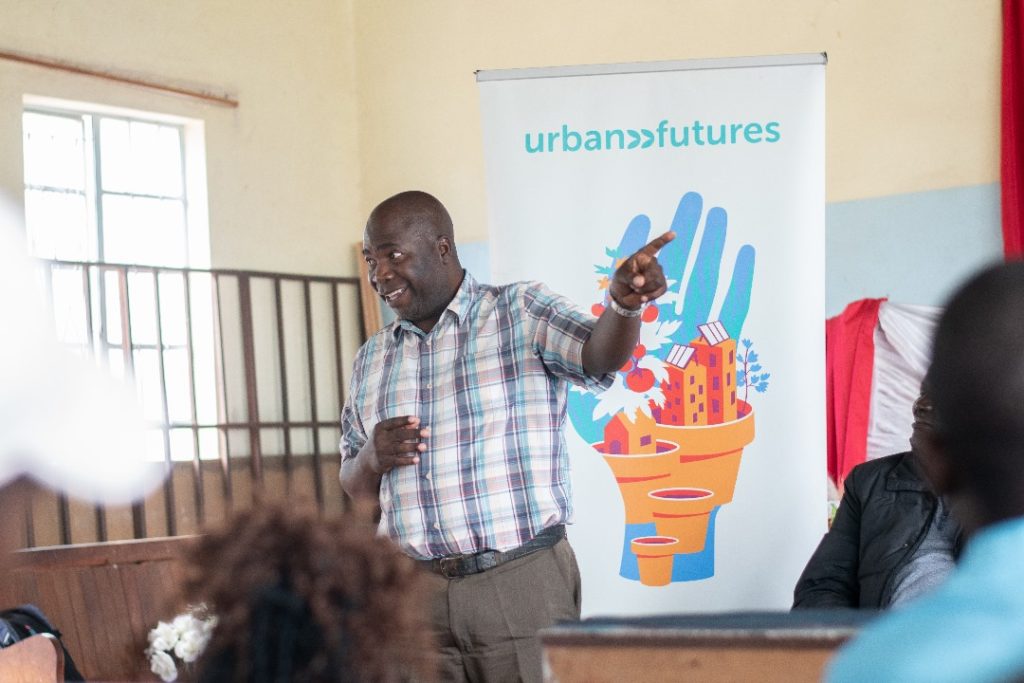
Deputy Mayor Nyamhoka pointed out that while permanent urban farming land is limited, temporary access is possible: “There are council gardens like those at Dream House and Kintaki that young people can use for community farming.”
The dialogue also showcased the Urban Futures Food Systems programme driven by MAYA, which promotes backyard farming, the consumption of traditional foods, and environmentally sustainable practices. The goal is to improve public health, boost incomes, and build resilience against climate shocks.
Chakanyuka Manenji, Business Development Officer at ZADT, said his organisation supports agro-based projects by assisting with proposal writing and linking applicants to funders. “We work with youths and women aged 18 to 65. If you come through us, we help you with agricultural proposals, and the loan interest is kept low,” he explained.
Costa Tavanzume, Branch Manager for Empower Bank in Manicaland, emphasised the importance of financial inclusion. “We are a government bank, and our model is not politically affiliated. Our target is 70% youths and 30% non-youths,” he said. “But youths must speak for themselves, come together in groups, and register with the Zimbabwe Youth Council.”
Tavanzume added that with only $5 and proof of residence, youths can open bank accounts and access loans within 30 to 40 days. “We offer proposal training, assist with record-keeping and help youth prepare for the market.”
The event concluded with renewed calls for young people to use urban spaces creatively and responsibly for food production, and to engage councils and financial institutions through organised platforms for lasting impact.