
By Fanuel Chinowaita
Mutare, Zimbabwe – February 14, 2025
Mutare, a city nestled in the Eastern Highlands of Zimbabwe, is grappling with a growing environmental crisis as its wetlands face unprecedented threats.
These vital ecosystems, which play a critical role in water provisioning, flood control, and biodiversity conservation, are being rapidly degraded due to urbanization, illegal construction, and questionable land allocation practices.
The issue has sparked widespread concern among residents, environmental advocacy groups, and experts, who are calling for urgent action to protect these irreplaceable natural assets.
Wetlands are often misunderstood as wastelands, but they are, in fact, nature’s water infrastructure. They collect, store, and release water, ensuring a steady supply to downstream areas. Mutare, like Harare, is located upstream of its water supply dams, making its wetlands indispensable for maintaining the city’s water resources.
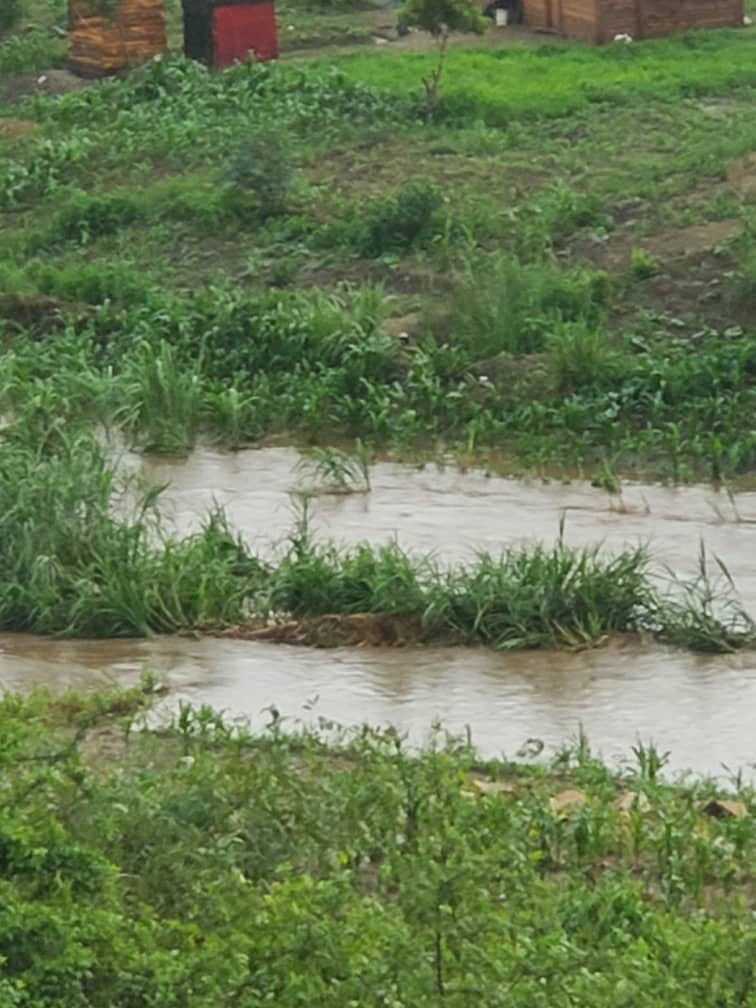
However, these ecosystems are being degraded at an alarming rate. Wetlands in Mutare have been converted into agricultural plots, car washes, and even residential areas. This not only disrupts their natural function but also increases the risk of flooding and water shortages.
Dr. Rob Cunliffe of the Zimbabwe Wetlands Trust emphasized that wetlands are not just ecological assets but also economic ones.
“The ecosystem services provided by wetlands, such as water purification and flood control, are invaluable. Replacing these services with engineered solutions would come at a significant cost,” he explained.
Despite existing policies and protective measures, wetlands in Mutare continue to disappear. The Environmental Management Agency (EMA) and local authorities have been criticized for granting permits that allow development on wetlands.
This has led to a rapid transformation of these areas, undermining their ability to function as natural water systems. “Current protections are not working,” Dr. Cunliffe stated bluntly. “It is still possible to get the necessary authorizations to develop on wetlands, and this needs to change.”
The Mutare Rivers Rehabilitation Initiative (MRRI) has been at the forefront of efforts to protect Mutare’s wetlands. The organization has raised alarm over the proposed development of 23 cluster homes on a headwater wetland below the Cecil Kop Nature Reserve. This wetland, designated as Reservation 46, is one of the last intact wetlands in Mutare, and its destruction would have far-reaching consequences for the city’s water supply and biodiversity.
In a letter to the Minister of Local Government, MRRI founder Lynne James emphasized the need to preserve the wetland for current and future generations. “We understand that the Mutare City Council applied to your office for a change of reservation of the above-mentioned stand, which at this time is zoned as Reservation 46, being a public open space, and is therefore restricted against any development. We are writing to appeal for your assistance in protecting and preserving this wetland for all Mutareans, both current and future generations,” James wrote.
MRRI has also highlighted the broader issue of wetland degradation in Mutare, noting that many wetlands have already been destroyed by development, cultivation, and drainage.
“The situation is indeed dire, yet despite this, Zimbabwe is to host RAMSAR COP 15 in Victoria Falls next July. There is a disconnect here that needs to be rectified,” reads the MRRI letter to the Minister.
One of the most contentious issues in Mutare is the sale of wetland areas for residential stands. In a recent case, the Mutare City Council came under fire for approving the development of 23 cluster homes on a headwater wetland below the Cecil Kop Nature Reserve.
The project, proposed by businessman Abdul Wahid, has been met with strong opposition from residents and environmental advocacy groups. The council has denied giving the go-ahead for the project, stating that it is awaiting approval from the Ministry of Local Government for a change of reservation.
However, the council’s history of selling wetland areas for development has raised concerns about its commitment to wetland conservation.
To address these challenges, several proposed policies have been outlined, which could serve as a blueprint for Mutare’s wetland management.
A comprehensive mapping exercise is needed to identify and protect all wetland areas, with these maps made publicly available to ensure transparency and community involvement.
There should be a strict prohibition on all land applications and construction within wetland areas, including the regularization of illegal developments.
A dedicated program to restore degraded wetlands to their natural biodiversity is essential, which includes removing invasive species and replanting native vegetation.
Additionally, a program to relocate legal settlements built in flood-prone wetland areas to safer locations should be developed. Encouraging local communities and civil society organizations to actively participate in wetland management and restoration efforts is also crucial.
The challenges facing Mutare’s wetlands are not insurmountable, but they require urgent action. The city’s leaders must adopt an ecosystem approach to wetland management, recognizing the critical role these areas play in supporting water security and reducing climate risks. Community engagement is also essential. By educating residents about the value of wetlands and involving them in conservation efforts, Mutare can foster a culture of environmental stewardship.
As Dr. Cunliffe concluded, “Wetlands work for water. They are not wastelands but lifelines. Protecting them is not just an environmental imperative but a matter of survival for cities like Mutare.” The time to act is now. Mutare’s wetlands are too precious to lose.
This story is based on a presentation by Dr. Rob Cunliffe of the Zimbabwe Wetlands Trust and highlights the urgent need for policy reform and community action to protect Mutare’s wetlands.