
By Fanuel Chinowaita
Zimbabwe, 29 January 2025 – The United States government has suspended all foreign aid programs funded through the State Department and USAID for review, a move that could see thousands of NGO employees in Zimbabwe losing their jobs.
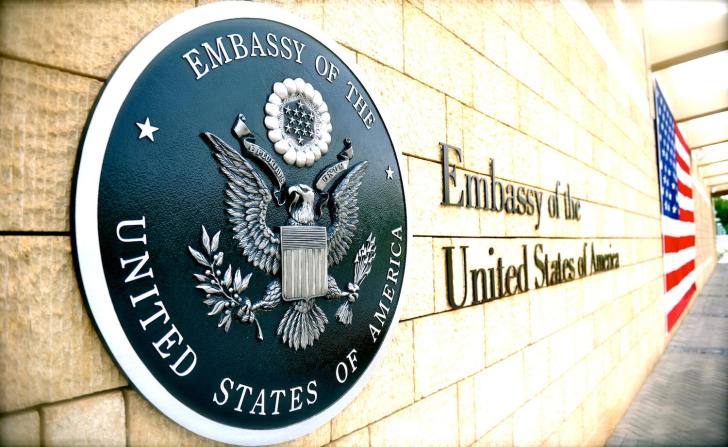
The U.S. Embassy in Harare confirmed the development, stating that the decision aligns with President Donald Trump’s Executive Order on Reevaluating and Realigning United States Foreign Aid. Secretary of State Marco Rubio has ordered a review of all U.S. foreign assistance programs to ensure they are “efficient and consistent with U.S. foreign policy under the America First agenda.”
The suspension has already started affecting organizations such as USAID Zimbabwe, which has begun implementing a 90-day aid pause. Additionally, funding for Zimbabwe’s LGBTQI community has been blocked, the U.S. has withdrawn from the World Health Organization (WHO), and aid for antiretroviral (ARV) drugs has been cut.
“It is highly regrettable that we have had to pause our activities in this manner,” the statement from the U.S. Embassy read. “We appreciate this will be disappointing news, and we ask for your understanding during this review period.”
Meanwhile, Former Kenyan President Uhuru Kenyatta has urged African leaders to stop lamenting the U.S. aid suspension and instead focus on developing the continent’s own resources.
Speaking at the East Africa Global Health Security Summit, Kenyatta said African nations should take responsibility for their economic development rather than relying on Western aid.
“Africa is rich in minerals and resources, but its wealth is often misused, including on wars where brothers and sisters end up killing each other,” he said.
He noted that Africa’s wealth is frequently looted by its leaders, who live in luxury while hospitals in countries like Zimbabwe lack basic medicines.
“Africans don’t pay taxes in America, and Trump is responding to American needs,” Kenyatta added, highlighting that the U.S. spends an estimated $50 billion annually on global aid.
The aid freeze is expected to have far-reaching consequences, particularly for health and humanitarian programs across Zimbabwe and the broader African continent.