
By Fanuel Chinowaita
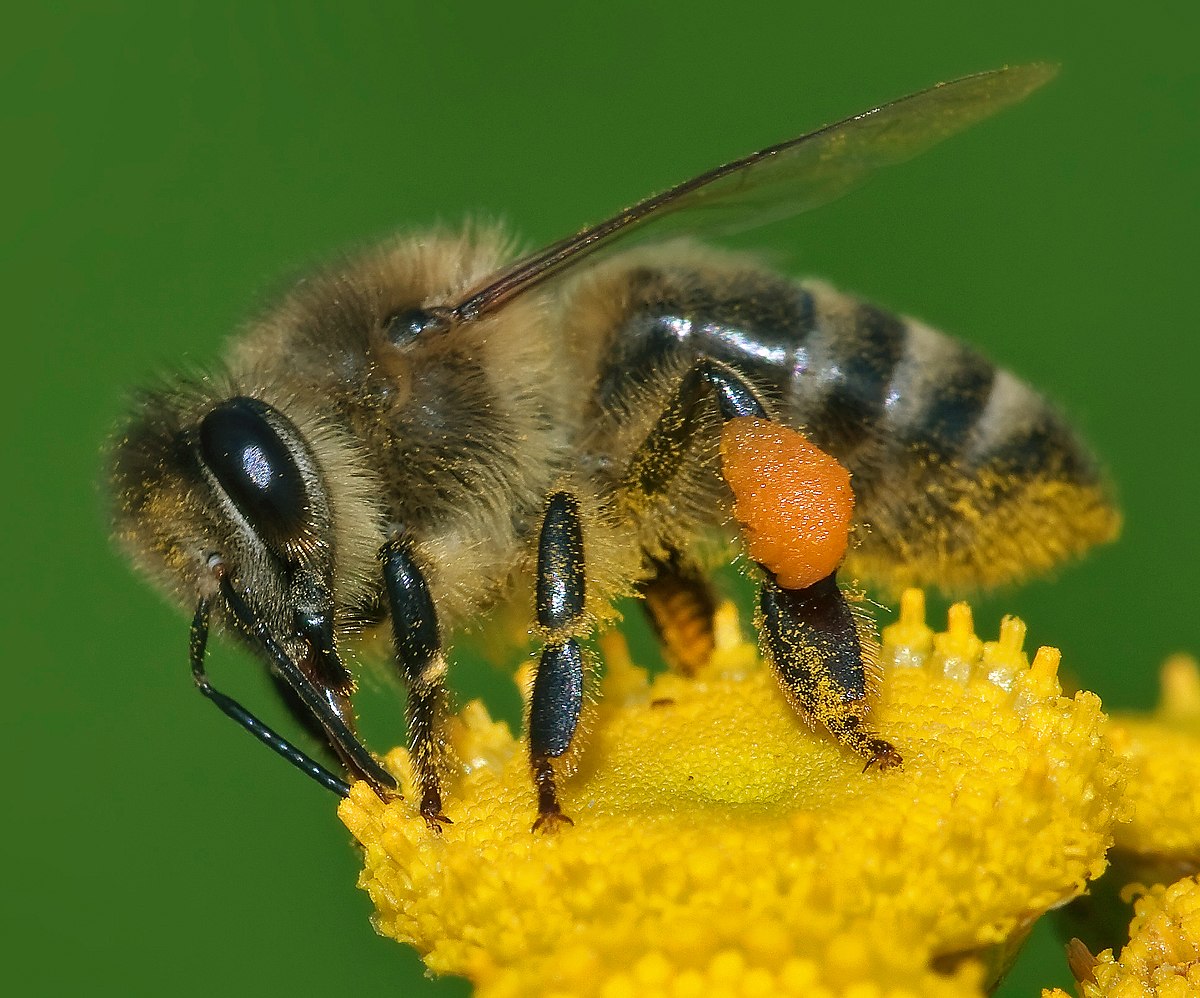
Scientists have taken a significant step in uncovering the mystery of how far bees travel from their hives in search of nectar and pollen. Using innovative technology, biologists have tagged thousands of bees with QR codes, enabling precise tracking of their movements.
Historically, researchers relied on observing the “waggle dance,” a form of communication where bees signal to their hive-mates the location of food sources. This behavior, though insightful, required meticulous observation and decoding by entomologists. However, a groundbreaking digital method now offers a more efficient way to study these vital pollinators.
Led by Margarita López-Uribe, an associate professor of entomology at Penn State University, the research team developed a system to tag bees with AprilTags, miniature QR codes smaller than a human fingernail. These tags were attached to young bees that had not yet learned to fly or developed sharp stingers.
Throughout the spring and summer, the team tagged over 32,000 bees across six colonies, monitoring their activities 24/7 with cameras connected to microcomputers. Weekly visits allowed the researchers to upload data for analysis.
“Having these automated devices where you can tag hundreds of bees at a time and make continuous observations nonstop for weeks really allows you to make discoveries in ways that humans alone could not achieve,” López-Uribe said in an interview with Newsweek.
The study confirmed bees’ ability to navigate vast distances, up to 10 kilometers, to find their way back to their hives. This discovery not only highlights the incredible navigational skills of bees but also opens doors for more research into pollinator behavior.
Moreover, the technology can help identify ideal locations for building honeybee hives, ensuring optimal foraging conditions and boosting honey production. Researchers believe the method could also be applied to studying other insects, broadening its potential impact.
This innovative tagging system marks a significant advancement in understanding bees and their critical role in ecosystems. As pollinators face increasing threats from climate change, habitat loss, and pesticides, such research is essential for developing strategies to protect these vital insects.
The study is a testament to how technology and biology can work together to solve longstanding mysteries, shedding light on the intricate lives of one of nature’s most important creatures.